Start here: the short version
What question does this guide answer? What should I check before and during my first park visit?
- Confirm access, the actual session and arrangements before travel. A clip does not establish permission or today’s conditions.
- Watch how people move and wait; ask if a zone’s use is unclear. Match the plan to the situation and your experience.
- Keep introductions and filming agreements clear. Background presence is not automatic permission to publish someone.
Read the full guide for meeting details, shared space and dated notes after the visit. This is visit preparation, not skate technique or a skill assessment.
Read the full explanation · Read the source context · Report unclear wording
Confirm the visit before the journey
Check the park’s current access information, opening times and any arrangements for the session you want to attend. Use the operator’s information where available. An online clip tells you how someone used the place on a particular day; it does not confirm admission, permission or the conditions of your own visit.
If you are meeting someone, choose a recognisable entrance and time. Keep the agreement specific enough that a late arrival does not have to search the whole park. A first visit is easier when you can get home independently if the meetup changes.
Observe how people share the space
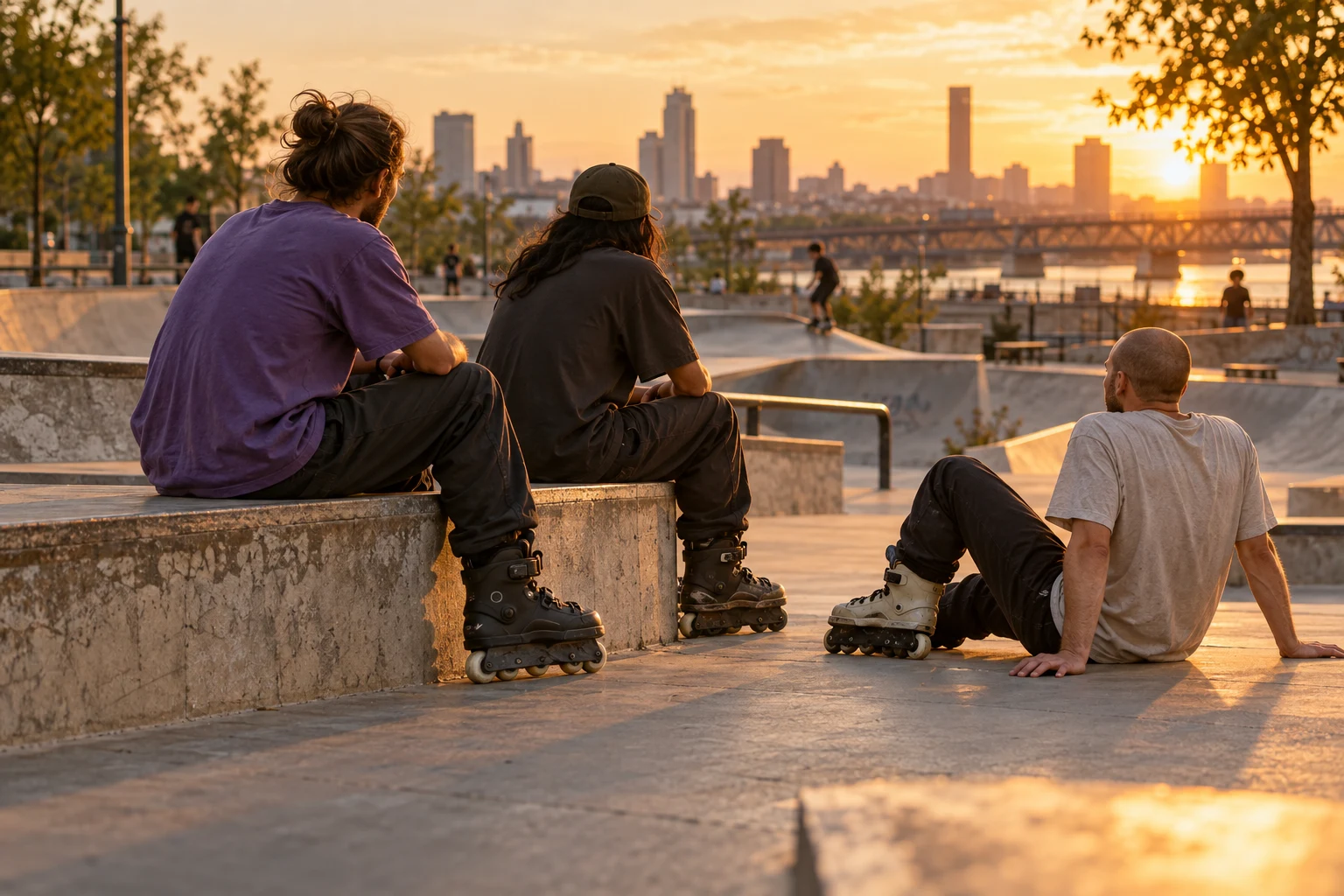
On arrival, take a moment to see how riders move between obstacles and where they wait. A park may have overlapping lines that are not obvious in a photograph. Look at the wider space, not only the feature you wanted to skate.
Do not assume that the person closest to an obstacle is next or that a quiet corner is unused. If the arrangement is unclear, ask someone nearby how that area is being used. This is social observation and communication, not a technical lesson on skating. Adjust your plan to the actual situation and your own experience.
Make the first conversation straightforward
A short introduction is enough: your name, that it is your first visit and one practical question. Ask about the local arrangement rather than announcing what everyone should do. You can join a session without making yourself the organiser of it.
If you would like to film, agree on the position and the people involved. Keep equipment and bags out of circulation. Ask before including an identifiable rider in a post, and do not infer consent from someone appearing in the background of a recording. Filming should fit the session rather than taking over the shared space.
Leave with useful notes, not permanent claims
After the visit, record the date and a few observations for next time: the entrance, the layout you used and what you still want to check. Distinguish a local suggestion from a posted venue rule. Avoid presenting one busy afternoon as the park’s permanent condition.
You can use BladeFeed to explore spots and discover the people and clips around rollerblading. If you share a recap, explain the context and credit contributors. A considerate first visit starts with understanding the place and finishes with information another visitor can interpret accurately.
Preparation and reflection worksheets
Put the guide into practice
Quick answers
What should I ask when a shared line is unclear?
Ask how people are using the area and taking turns. Do not assume the arrangement from a single photo or clip.
- What should I ask when a shared line is unclear?
Ask how people are using the area and taking turns. Do not assume the arrangement from a single photo or clip.
YOUR NEXT STEP
Read the park’s rhythm
Bring the session to the rollerblading community.
Explore BladeFeed ↗References & useful links
Practical suggestions are editorial guidance. The linked primary sources support product and technical details; current features and venue information may change.