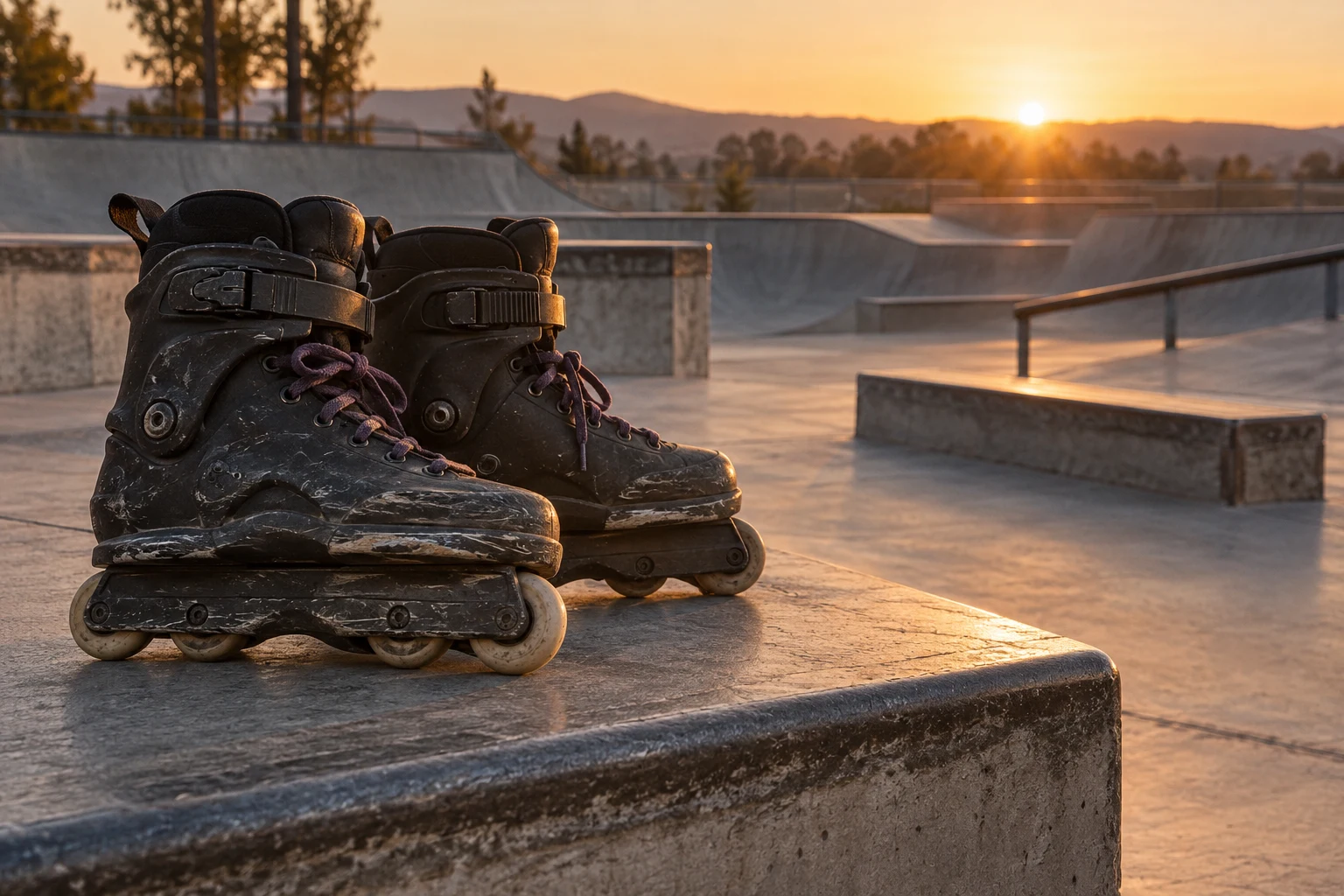
Begin with the questions a visitor has
A dramatic obstacle close-up can make a good image while leaving a visitor unsure what the place is like. Start with three questions: how is the space arranged, how does the feature fit into it and where is the public entrance? Choose photographs that answer those questions rather than several versions of the same angle.
Look at the location before taking out the camera. Notice which areas are in use and choose a position that leaves other people’s lines clear. A location photograph should not interrupt the session it is trying to explain. If people are identifiable in the image, agree on publication with them before sharing it.
Capture a three-image sequence
Use an overview to show the relationship between the main areas. For the second image, show an obstacle with some approach and surrounding ground, rather than cropping directly around the edge. The third can show a recognisable entrance or public landmark when that helps a first visit.
This is an editorial sequence, not a rule that every spot needs exactly three images. A large venue may need more context, while a single small space may need less. Check each image at phone size. If the important detail disappears, choose a clearer view rather than relying on a long caption to repair the photograph.
Describe what the photo actually establishes
Add the date of the visit and a short explanation of the view. “Entrance beside the sports hall, photographed during my visit in October” is more useful than “always open”. The photograph documents what was visible then; opening hours and permission need current confirmation from the venue.
Avoid using a close-up to imply measurements you did not take. An angle can change how high or long an obstacle appears. If you mention a dimension, explain where it comes from. Otherwise, describe the visible layout and leave a visitor to assess suitability on site.
Publish a small, coherent set
Select images that add different information. Remove duplicates, check the intended location name and keep credits with any image supplied by someone else. A caption plan can read: “Overview; ledge with approach; public entrance; visit date; photographer.” It is a checklist, not a report of an actual place.
BladeFeed’s spot directory gives skating locations a place alongside clips and profiles. Contribute photographs that help someone understand a location, rather than presenting an unverified venue advertisement. Good context makes the next rider’s research more efficient and gives them clearer questions to confirm before travelling.
Put the guide into practice
Quick answers
Does a photo prove a spot is open or available for skating?
No. It records a view at a particular time. Confirm current access and venue rules separately.
- Does a photo prove a spot is open or available for skating?
No. It records a view at a particular time. Confirm current access and venue rules separately.
YOUR NEXT STEP
Show the whole spot
Bring the session to the rollerblading community.
Explore BladeFeed ↗References & useful links
Practical suggestions are editorial guidance. The linked primary sources support product and technical details; current features and venue information may change.